


Why Is My Back Pain Worse in the Morning? Causes and What Actually Helps
Many people wake up feeling stiff, sore, or unable to stand upright comfortably due to lower back pain.
If you are experiencing morning back pain on the Central Coast, you are not alone. This is one of the most common patterns of back pain and often indicates underlying mechanical or lifestyle factors affecting the spine.
For many people, the pain improves as the day goes on — which can feel confusing. Understanding why this happens is the first step toward long-term relief.
What Causes Morning Back Pain?
Morning back pain is usually related to how the spine responds to prolonged inactivity during sleep.
Reduced Movement Overnight
While you sleep, your body remains relatively still for several hours.
This can lead to:
- joint stiffness
- reduced circulation
- muscle tightening
As a result, the spine may feel stiff and painful when you first wake up.
Disc Hydration and Pressure Changes
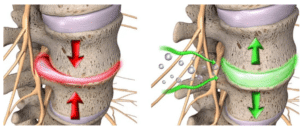
Research published in the journal Spine shows that spinal discs absorb fluid overnight, making them slightly larger and increasing internal pressure.
You can reference a study like:
https://pubmed.ncbi.nlm.nih.gov/28192793/
This increased pressure can make the spine more sensitive in the morning, especially if there is already irritation present.
Muscle Tightness and Guarding
If the spine has underlying dysfunction, surrounding muscles may tighten to protect the area.
This can cause:
- stiffness
- reduced mobility
- discomfort when first moving
Why Does Back Pain Improve During the Day?
This is one of the most common questions people ask.
Movement Reduces Stiffness
As you begin moving:
- joints loosen
- muscles warm up
- circulation improves
This reduces stiffness and helps the spine function more normally.
Reduced Disc Pressure
As the day progresses, discs gradually lose some of the fluid they absorbed overnight.
This can reduce internal pressure and relieve discomfort. However if your problem is nerve irritation then this is where your pain may get worse.
Nervous System Adaptation
Movement also helps the nervous system reduce protective muscle tension.
This is why many people feel significantly better after:
- walking
- light activity
- stretching (when appropriate)
What Are the Most Common Causes of Morning Back Pain?
Poor Sleep Position
Sleeping in positions that stress the spine can lead to irritation.
Examples include:
- sleeping on the stomach
- twisting the spine
- lack of pillow support
Mattress Issues
A mattress that is too soft or too firm may fail to support the spine properly.
This can cause:
- uneven loading of joints
- muscle strain
- increased stiffness
Try turning your mattress over or turning it around. If this changes your pain then your bed may not be giving you enough support.
Underlying Spinal Dysfunction
If spinal joints are not moving properly, they may become stiff overnight.
This is a common reason people search for back pain treatment on the Central Coast.
Inflammatory Conditions
In some cases, conditions such as inflammatory arthritis can cause morning stiffness lasting longer than 30–60 minutes.
If stiffness is severe or prolonged, further assessment may be required.
Here is a talk we did with an orthopaedic surgeon about disc problems.
What Helps Morning Back Pain?
Gentle Movement First Thing
Starting the day with light movement can help reduce stiffness.
Examples:
- short walk
- gentle mobility exercises
- gradual stretching
Improve Sleep Position
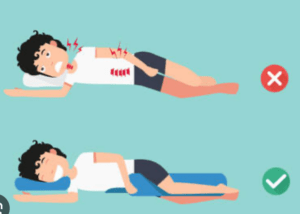
Helpful strategies include:
- sleeping on your side with a pillow between your knees
- sleeping on your back with knee support
- avoiding stomach sleeping
Address Underlying Causes
If morning back pain keeps returning, it often means the underlying issue has not been resolved.
So common contributing factors include:
- poor posture
- spinal stiffness
- weak stabilising muscles
- nervous system stress
Research published in the Journal of Manipulative and Physiological Therapeutics (JMPT) suggests that conservative care approaches, including spinal manipulation and exercise, may help reduce pain and improve function in people with low back pain.
When Should You Be Concerned About Morning Back Pain?
You should seek professional advice if:
- pain is severe or worsening
- stiffness lasts longer than an hour
- pain spreads into the leg
- numbness or weakness is present
- symptoms persist over time
A thorough assessment can help identify the underlying mechanical or neurological contributors.
Morning Back Pain on the Central Coast
If you are experiencing morning back pain on the Central Coast, identifying the underlying cause is key to long-term improvement.
Try this exercise in the mornings. Exercise for lumbar pain
For example at Platinum Chiropractic Erina our treatment focuses on:
- improving spinal mobility
- reducing mechanical stress
- supporting nervous system function
- helping patients build long-term resilience
Frequently Asked Questions About Morning Back Pain
Why is my back pain worse when I wake up?
This is often due to joint stiffness, disc pressure changes, and reduced movement overnight. It can also be an indicator of inflammation slowly building in the tissues overnight including pain causing cytokines.
How do I stop back pain in the morning?
Improving sleep posture, staying active during the day and addressing underlying spinal issues can help reduce morning pain.
Is morning back pain a sign of a serious problem?
In most cases, it is not serious. However, persistent or worsening symptoms should be assessed.
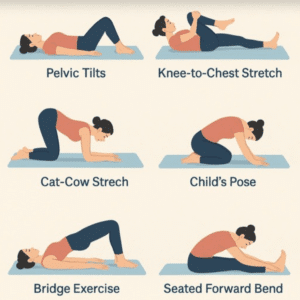
Low back pain exercises
How long should morning back stiffness last?
Mild stiffness may last a few minutes. If it lasts longer than an hour, it may indicate an underlying condition that you should look into.
Summary
Morning back pain is a common issue that often results from how the spine responds to inactivity during sleep and so understanding the contributing factors — including spinal mobility, posture, and nervous system function — can help reduce symptoms and prevent recurrence.
If you are searching for back pain treatment on the Central Coast, addressing the underlying cause is often the key to long-term improvement.

About The Author - Matthew Hodgson
Matthew Hodgson's passion is neurology and has a reputation for helping people that others aren't able to help. Including complex low back pain, headaches and spinal disc problems. He now practices in the Platinum Building at Platinum Chiropractic Erina.
Most Popular Posts
-

29 August 2020
10 researched benefits of Chiropractic care by Matthew Hodgson BSc MSc Chiropractor Erina -
9 June 2021
Interview with Dr Marc Coghlan Neurosurgeon. -
3 July 2020
Find out what is causing your headaches and how to fix them fast -
13 January 2021
Proprioception, confident children and primitive reflexes -
6 September 2020
Before you see someone about back pain you must read this. (How to diagnose your own problem and start feeling better today).








Comments