


If you’ve been dealing with neck pain, you’ve probably been told some version of:
- “It’s just tight muscles”
- “You slept funny”
- “You just need a massage”
But what if that’s only part of the story?
Because for many people, neck pain isn’t just about muscles — it’s about how your nervous system, posture, stress, and movement patterns are interacting over time.
This is similar to what we see with back pain, where the problem often isn’t just structural. Read more about this in our article on low back pain and disc injuries.
What Does Neck Pain Really Mean?
Neck pain is rarely caused by a single thing.
Research shows that most cases are multifactorial, meaning they involve a combination of:
- Joint stiffness or irritation
- Muscle overload or weakness
- Nervous system sensitivity
- Lifestyle stress and fatigue
- Poor movement patterns over time
A large review published in The Lancet highlighted that spinal pain (including neck pain) is best understood through a biopsychosocial model, not just a structural issue.
Why Neck Pain Keeps Coming Back

This is where most people get stuck.
They treat:
- The symptom (tightness, soreness)
But not:
- The cause (how your body is functioning)
Common underlying drivers we see clinically:
- Prolonged sitting and screen time
- Forward head posture
- Poor sleep positioning
- High stress (which increases muscle tension and sensitivity)
- Reduced movement variability
If you sit for long periods, this can also contribute to headaches and upper back tension. You can read more in our guide to posture and headaches.
A study in Spine Journal found that psychological stress and workload are strongly linked to persistent neck pain.
What Most People Get Wrong About Neck Pain
“I just need to stretch it more”
Stretching can feel good short-term, but if the area is already irritated or unstable, it can make things worse.
“I should rest until it settles”
Too much rest often leads to:
- More stiffness
- Reduced strength
- Slower recovery
“It’s just my posture”
Posture matters — but it’s not about sitting perfectly.
It’s about:
How long you stay in one position
How well your body adapts to movement
What Actually Helps Neck Pain (Backed by Research)
- Gentle, regular movement
Movement helps:
- Reduce stiffness
- Improve circulation
- Calm the nervous system
- Strength and stability work
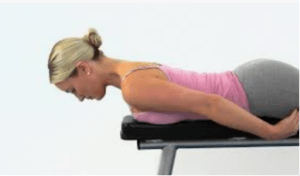
Targeted exercises improve
- Neck support
- Load tolerance
- Long-term resilience
Research in the Journal of Orthopaedic & Sports Physical Therapy shows exercise therapy is one of the most effective long-term strategies.
The same principles apply to shoulder and upper back pain, where strength and movement are key to long-term recovery.
- Nervous system regulation
Stress plays a bigger role than most people realise.
Chronic stress can:
- Increase muscle tension
- Lower pain thresholds
- Delay recovery
- Addressing lifestyle factors
This includes:
- Sleep quality
- Work setup
- Daily movement habits
- The right type of care
Hands-on care + targeted rehab + lifestyle advice tends to produce the best outcomes.
A systematic review in BMJ Open supports multimodal care for neck pain over single-treatment approaches.
A Simple Starting Point You Can Try Today
If your neck is sore, try this:
- Gentle chin tucks (5–10 reps)

- Shoulder blade squeezes

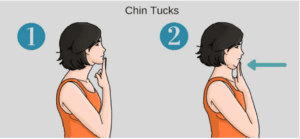

- Short walks every 1–2 hours
- Reduce long periods of looking down at your phone
Keep it light and consistent, not aggressive.
If you’re also experiencing headaches or shoulder tension with your neck pain, these are often connected and should be assessed together.
Questions We Hear Every Day About Neck Pain
- Is my neck pain caused by a “pinched nerve”?
Not always. While nerve irritation can occur, most neck pain is related to joint, muscle, and movement issues rather than true nerve compression.
- Why does my neck pain cause headaches?
The upper neck is closely linked to headache pathways. Dysfunction here can refer pain into the head — often called cervicogenic headaches.
- Should I use heat or ice?
- Heat → helps muscle relaxation
- Ice → may help if there’s acute irritation
Most people respond better to heat and gentle movement.
- How should I sleep with neck pain?
- Use a pillow that supports your neck (not too high)
- Avoid sleeping on your stomach
- Try side or back sleeping
- When should I get my neck pain checked?

Neck pain Erina
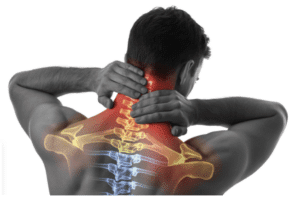
You should seek help if:
- Pain lasts more than 1–2 weeks
- It’s getting worse
- You have headaches, dizziness, or arm symptoms
- It’s affecting your daily life
The Bigger Picture
Your neck pain isn’t just something to “put up with” or keep chasing short-term relief for.
When you:
- Improve how your body moves
- Support your nervous system
- Address the underlying drivers
You don’t just reduce pain — you improve how your body functions long-term.
Related Articles You Might Find Helpful
- https://www.platinumchiropractic.com.au/is-my-back-pain-a-disc-bulge-understanding-disc-injuries-and-sciatica
- https://www.platinumchiropractic.com.au/find-out-what-is-causing-your-headaches-and-how-to-fix-them-fast/
Want Help Getting to the Root Cause?
If you’re unsure what’s really driving your neck p
ain, we offer a comprehensive assessment looking at:
- Movement patterns
- Nervous system function
- Lifestyle factors
So you can stop guessing — and start getting real results.
References
- Hartvigsen J. et al. (2018). The Lancet
- Côté P. et al. (2008). European Spine Journal
- Gross A. et al. (2015). JOSPT
- Corp N. et al. (2021). BMJ Open

About The Author - Matthew Hodgson
Matthew Hodgson's passion is neurology and has a reputation for helping people that others aren't able to help. Including complex low back pain, headaches and spinal disc problems. He now practices in the Platinum Building at Platinum Chiropractic Erina.
Most Popular Posts
-

29 August 2020
10 researched benefits of Chiropractic care by Matthew Hodgson BSc MSc Chiropractor Erina -
9 June 2021
Interview with Dr Marc Coghlan Neurosurgeon. -
3 July 2020
Find out what is causing your headaches and how to fix them fast -
13 January 2021
Proprioception, confident children and primitive reflexes -
6 September 2020
Before you see someone about back pain you must read this. (How to diagnose your own problem and start feeling better today).








Comments